

NYC elevator compliance and inspection readiness for Property Managers in 2026
Managing elevators in New York City requires a strong understanding of codes, deadlines, and inspection requirements. Whether you oversee a residential building, a commercial property, or a mixed-use space, staying proactive with compliance protects your tenants, prevents violations, and reduces operational risk.
New York City has some of the most detailed elevator regulations in the country. These rules exist to reduce failures, improve safety, and create consistency across every building type.
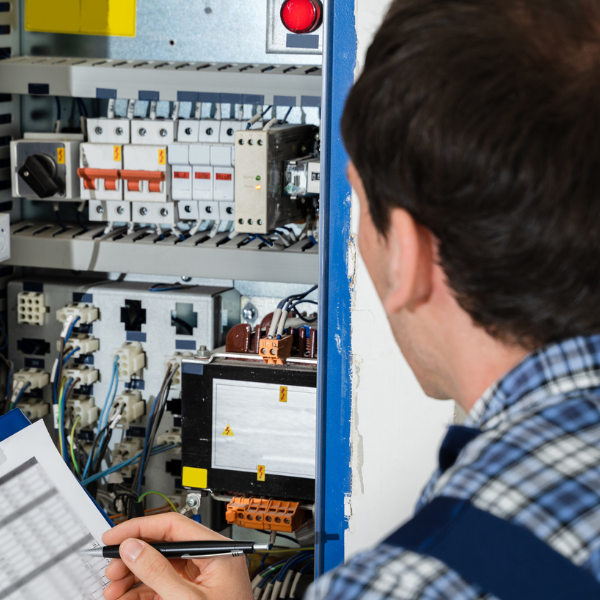
Why elevator compliance matters for NYC property managers
To keep your building fully compliant and avoid severe city fines, every active elevator device must meet three distinct inspection and testing requirements:
Periodic Inspections: An annual visual inspection that must be completed between January 1 and December 31.
Category 1 Safety Testing: An annual no-load safety test performed at rated speed.
Category 5 Safety Testing: A highly rigorous full-load, full-speed safety test required every five years for traction elevators.
Critical Filing Deadlines to Remember: Missing a filing window can trigger automatic late fees or failure-to-file violations. All report filings must go through the DOB NOW: Safety portal according to strict windows:
Periodic Inspections: Must be submitted within 14 days of the inspection date.
Category 1 & 5 Testing: Must be submitted within 21 days of the test date.
Correcting Defects: Any defects discovered during an inspection must be physically repaired within 90 days. The final Affirmation of Correction (AOC) must then be submitted within 14 days of that repair.
These requirements protect buildings from:
Insurance complications
Delayed property sales
Tenant complaints
Board scrutiny
Unnecessary downtime or failures
Inspection history is part of a building’s long-term record. Staying ahead of deadlines creates stability and trust.
What happens when inspections fall behind
A single missed submission can trigger a violation. Multiple issues can lead to penalties, flag your equipment for follow-up inspections, or complicate annual reporting for residential boards and commercial tenants.
For co-op and condo boards, repeated failures often raise questions about maintenance planning.
For commercial buildings, unresolved violations can interfere with leasing packages, lender requirements, and certifications.
Compliance is more than passing a test. It protects operational reliability and the value of your building.
How Richmond Elevator keeps your building inspection ready
Richmond Elevator supports property managers across Staten Island and all five boroughs with a proactive, organized compliance approach built specifically for NYC requirements.
Inspection scheduling and tracking
We coordinate annual inspections and all required Category 1 and Category 5 testing. Your compliance calendar stays on schedule without last-minute scrambles.
Pre-inspection checks
Before inspectors arrive, our technicians review your equipment, identify issues, and complete needed repairs. This reduces failures and avoids unnecessary re-testing.
Violation resolution
If a violation is issued, we work directly with the Department of Buildings to resolve it quickly. Faster communication means faster clearance.
Documentation and reporting
Every property manager receives digital access to inspection reports, MCP documentation, certificates, and service history. This is helpful for:
Board packets
Commercial leasing
Due diligence
Annual planning
Insurance requests
A proactive compliance strategy reduces disruptions, extends equipment life, and strengthens tenant confidence.
NYC Rule Updates for 2026
The Department of Buildings continues to adjust inspection and filing procedures. As of 2026:
The Third Party Inspection Pilot Program may change how some filings are completed.
Requirements may differ for hydraulic vs traction elevators.
Occupancy designations can influence deadlines.
Older equipment may have separate correction timelines.
Richmond Elevator monitors every rulemaking update to ensure your building is prepared for each inspection.
Why work with a local Staten Island elevator company
Based in Staten Island and working across New York City, Richmond Elevator understands the realities of NYC buildings, from older walk-up conversions to modern mixed-use properties and critical infrastructure.
Our modernization work is focused on:
Safety first, always
Code compliance and documentation
Practical solutions that fit real budgets
Clear communication with property managers, boards, and ownership
We partner with leading manufacturers and suppliers so that every modernization project is built on reliable, supported components.
Official DOB Resources for Property Managers
NYC DOB Elevator Compliance
NYC Admin Code 28 304
DOB NOW: Safety Portal
1 RCNY 103 02
Local Law 126 of 2021
For the most accurate and official information, visit:
NYC DOB Elevator Compliance |NYC Admin Code § 28-304| DOB NOW: Safety Portal
Stay Inspection Ready with Richmond Elevator
Richmond Elevator has served Staten Island and the five boroughs for more than 40 years. Our team helps property managers stay compliant, reduce violations, and keep their buildings moving safely and reliably.
Important Notes for Client Awareness
While the laws and codes referenced in this communication are valid and current as of October 2025, building owners and property managers should verify whether specific deadlines, correction periods, or filing extensions apply to their individual building type or device classification.
Local conditions, equipment type (traction vs. hydraulic), and occupancy designation may affect compliance timelines or required filings.
As of 2025, the NYC Department of Buildings (DOB) has introduced a Third-Party Inspection Pilot Program that may influence filing procedures, inspection scheduling, and verification requirements for certain commercial properties.
Richmond Elevator continuously monitors all DOB rulemaking updates, Local Laws, and Administrative Code amendments to ensure clients remain fully informed, compliant, and inspection-ready.
Staying informed
This information is current as of October 2025. Requirements may vary by building type, occupancy, and equipment classification. The NYC Department of Buildings continues to expand digital filings and inspection procedures, including the Third Party Inspection Pilot Program. Richmond Elevator monitors all upcoming changes to ensure our clients remain informed and prepared.
For ongoing updates and direct support, visit the Richmond Elevator Blog:
https://www.richmondelevator.com/blog
Serving Staten Island and the five boroughs for over 30 years.
Licensed under the New York City Department of Buildings