

Elevator Modernization in New York City
More Than a Facelift
Elevator modernization sits at the intersection of safety, compliance, tenant experience, and long-term operating costs. For NYC property managers and building owners, it's become a core capital planning decision.
As Local Law 97 and the 2022 NYC Building Code updates continue to shape how buildings are managed, outdated elevator systems are drawing more attention. Modernization is one of the most effective ways to improve performance, reduce energy use, and protect your building’s value.
Richmond Elevator, based in Staten Island and serving all five boroughs, helps properties take a strategic approach to elevator modernization so that every upgrade supports both compliance and comfort.
Why elevator modernization is strategic in NYC
NYC has some of the most demanding building and energy regulations in the country. Elevators play a direct role in:
Energy use and emissions under Local Law 97
Safety and performance under ASME A17.1 and Appendix K
Tenant satisfaction and retention, especially in high-traffic buildings
Modernization is not just a way to “freshen up” a cab interior. It is a technical upgrade that touches the drive, controller, door operators, fixtures, and safety systems, with clear impacts on your budget and your risk profile.
1. Better energy performance
Older drives and motors were not designed with modern efficiency standards in mind. They draw more power, generate more heat, and often run even when they do not need to.
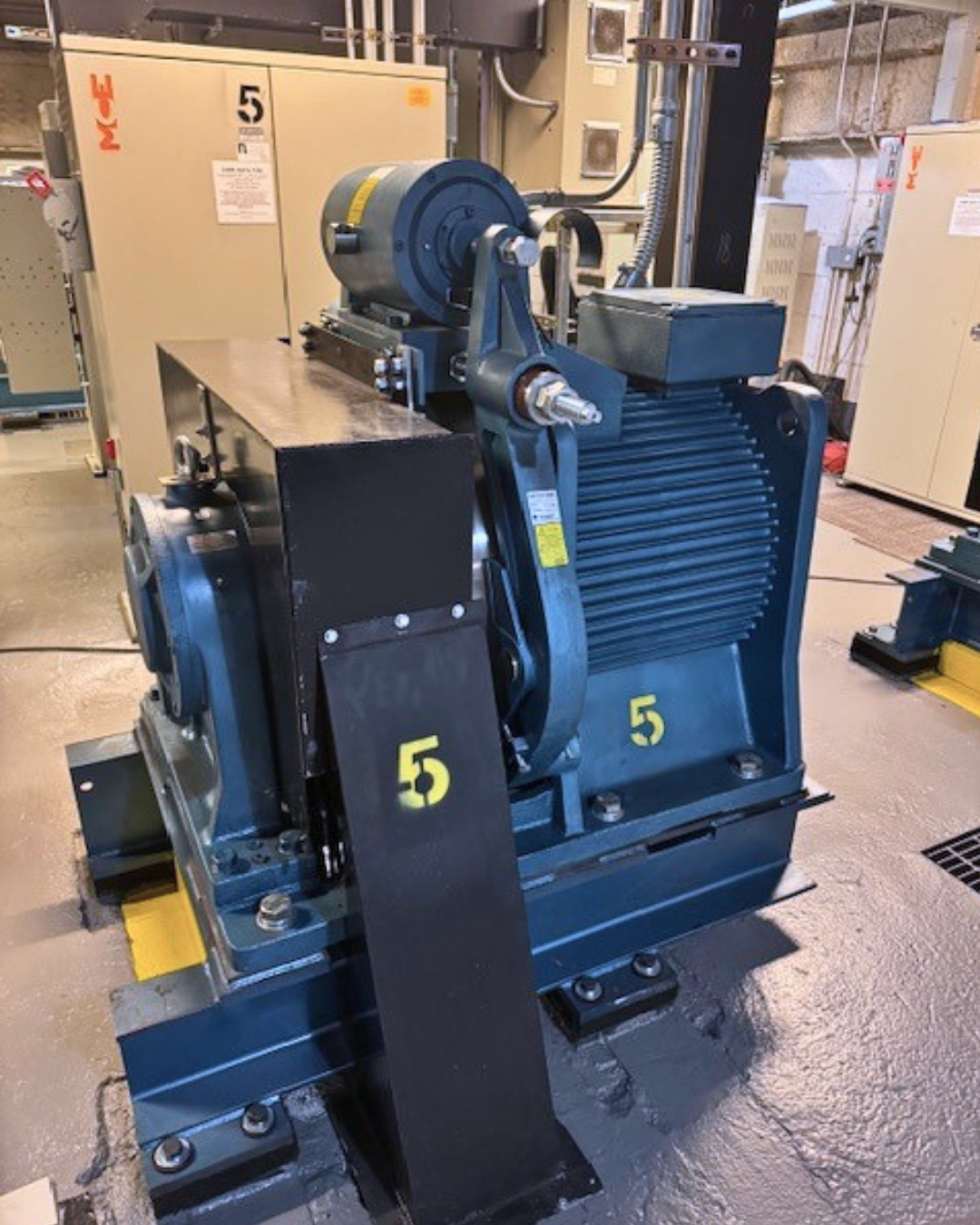
Modern components, such as regenerative drives and microprocessor controllers, can reduce elevator energy consumption by up to 30%. Instead of turning braking energy into heat, regenerative systems feed it back, supporting lower energy use across the building.
For properties working toward Local Law 97 compliance, elevator modernization is an important tool in the overall energy strategy.
2. A smoother, quieter ride for tenants and residents
Most tenants will not ask what kind of drive or controller you use, but they notice how the elevator feels.
Modern equipment can deliver:
Smoother starts and stops
More precise floor levelling
Quieter door operation
Fewer nuisance shutdowns
These improvements translate into a better daily experience for everyone who uses the building, from residents carrying groceries to staff moving equipment. In competitive New York markets, that level of comfort and reliability supports tenant retention and building reputation.
3. Stronger safety and code compliance
Elevator codes evolve, and equipment that was compliant 15 or 20 years ago may no longer meet current standards. Modernization is often the most practical path to align with:
ASME A17.1 safety code
Appendix K requirements specific to New York City
Updated expectations for door protection, braking systems, and emergency communication
A modernization project designed to meet current code requirements can help reduce exposure to DOB violations, improve overall safety, and give property teams more confidence in the system.
4. Longer equipment life and higher building value
Full modernization extends the life of your elevator system by 15 to 20 years in many cases. Instead of managing frequent repairs on aging equipment, you gain a more predictable operating profile and fewer emergency calls.
This stability has a direct impact on:
Operating budgets, by reducing unplanned service calls
Capital planning, by spreading costs across a longer time frame
Building value by presenting a modern, code-aligned vertical transportation system to buyers, lenders, and tenants
For co-op boards and ownership groups, a modern elevator system is often seen as a strong signal that the building is well-maintained and future-focused.
How Richmond Elevator plans modernization projects
Every building is different. A high-rise office tower in Manhattan, a residential property in Brooklyn, and a co-op in Staten Island will have different traffic patterns, load profiles, and tenant expectations.
Richmond Elevator’s modernization process is built around those differences.
We typically begin with:
Technical evaluation of existing equipment
Controllers, drives, machines, door equipment, safety devices
Current code compliance status
Traffic and usage review
Peak traffic periods
Building occupancy and usage mix
Capital and scheduling discussion
Budget constraints and capital plan
Preferred timelines and outage windows
From there, we design a phased modernization plan that may include controller upgrades, new door equipment, machine room work, fixture replacements, and cab modernization. The goal is to maximize safety and performance while managing downtime and cost.
Signs your elevator may be ready for modernization
Property managers and boards often start asking about modernization when they see:
Increasing frequency of shutdowns or service calls
Tenant complaints about noise, vibration, or levelling
Difficulty sourcing parts for older equipment
Concerns about upcoming code or energy requirements
Plans to refinance, reposition, or sell the building
Rising repair costs year-over-year
Equipment age exceeding 20-25 years
If you are seeing any combination of these in your property, it may be the right time to explore a modernization study.
Why work with a local Staten Island elevator company
Based in Staten Island and working across New York City, Richmond Elevator understands the realities of NYC buildings, from older walk-up conversions to modern mixed-use properties and critical infrastructure.
Our modernization work is focused on:
Safety first, always
Code compliance and documentation
Practical solutions that fit real budgets
Clear communication with property managers, boards, and ownership
We partner with leading manufacturers and suppliers so that every modernization project is built on reliable, supported components.
Ready to talk about modernization for your building?
If you manage a commercial, residential, or co-op property in New York City and are weighing the cost and timing of elevator modernization, a conversation is often the best place to start.
Contact Richmond Elevator to discuss modernization options for your property. We'll review your current system, explain code and energy considerations, and outline practical upgrade paths that align with your capital plan and building needs.
Important Notes for Client Awareness
While the laws and codes referenced in this communication are valid and current as of October 2025, building owners and property managers should verify whether specific deadlines, correction periods, or filing extensions apply to their individual building type or device classification.
Local conditions, equipment type (traction vs. hydraulic), and occupancy designation may affect compliance timelines or required filings.
As of 2025, the NYC Department of Buildings (DOB) has introduced a Third-Party Inspection Pilot Program that may influence filing procedures, inspection scheduling, and verification requirements for certain commercial properties.
Richmond Elevator continuously monitors all DOB rulemaking updates, Local Laws, and Administrative Code amendments to ensure clients remain fully informed, compliant, and inspection-ready.
For the most accurate and official information, visit:
NYC DOB Elevator Compliance |NYC Admin Code § 28-304| DOB NOW: Safety Portal
Staying informed
This information is current as of October 2025. Requirements may vary by building type, occupancy, and equipment classification. The NYC Department of Buildings continues to expand digital filings and inspection procedures, including the Third Party Inspection Pilot Program. Richmond Elevator monitors all upcoming changes to ensure our clients remain informed and prepared.
For ongoing updates and direct support, visit the Richmond Elevator Blog:
https://www.richmondelevator.com/blog
Serving Staten Island and the five boroughs for over 30 years.
Licensed under the New York City Department of Buildings