

Elevator safety in NYC: What proactive maintenance actually covers
In residential and commercial buildings across New York City, elevator safety affects far more than violations or filings. It influences the way residents and tenants experience the building every day. When an elevator makes noise, hesitates at the doors, or shuts down repeatedly, comfort and trust decline fast.
Staying ahead of those issues means going beyond minimum compliance requirements. It means running a maintenance program that catches problems before tenants notice them.
Why proactive elevator safety protects your building
Door protection
Door sensors are one of the most common sources of entrapments across New York. Dust, misalignment, or weak infrared detection can lead to false readings. Proactive calibration helps prevent timing issues, door reversals, and passenger discomfort.
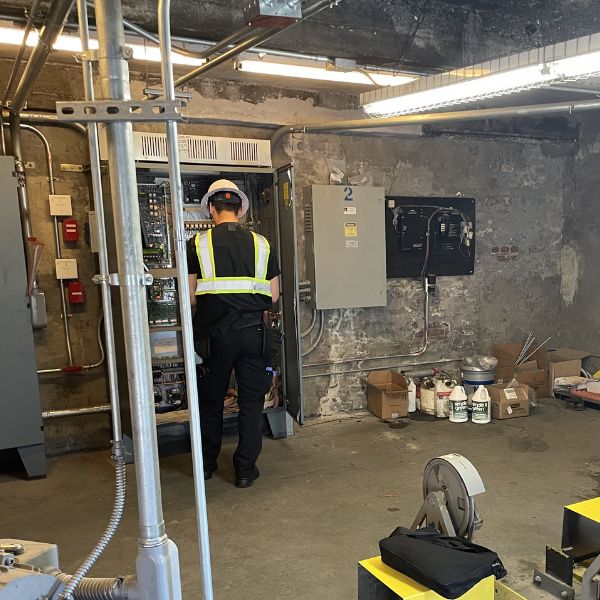
This is one of the areas where deferred maintenance creates the most visible problems. Tenants notice door issues immediately. A door that hesitates or reverses unnecessarily generates complaints and erodes confidence faster than almost any other elevator problem.
Brake integrity
Brakes are central to safe stops and controlled travel. When they wear down or become contaminated, stopping accuracy declines and the risk of leveling issues increases. This creates safety risks and raises the chance of unplanned outages.
Brake issues rarely appear suddenly. They develop gradually through normal wear, and a maintenance program that includes regular testing and adjustment catches changes before they affect performance or safety.
Emergency communication systems
NYC requires all elevators to have monitored two-way emergency communication. These systems must connect reliably to emergency response personnel. Regular testing ensures tenants can reach help when needed.
An emergency phone that fails during an entrapment is both a safety risk and a liability exposure. Testing is straightforward, but it has to happen consistently to be meaningful.
Performance indicators that reveal early problems
Slow movement, mis-leveling, vibration, and unusual noises often point to electrical or mechanical wear. Addressing these signs early keeps downtime low and prevents larger failures that affect tenant satisfaction.
Property managers who flag these patterns early typically avoid the more disruptive and expensive repairs that follow when issues are left to develop. If your service provider is not documenting performance observations on every visit, ask why.
What to expect from a safety and performance audit
A safety and performance audit is a structured review of your elevator system that goes beyond what a routine maintenance visit covers. Here is what the process generally includes:
A full inspection of safety systems, including door operators, safety edges, and interlocks. Brake condition and adjustment are reviewed and tested. Emergency communication systems are tested to confirm they connect and function correctly. Performance is assessed across travel speed, leveling accuracy, and ride quality. All findings are documented in a written report.
At the end of the audit, you receive a clear picture of where your system stands, what needs attention now, and what to plan for over the next one to two years. That documentation is useful for board presentations, insurance carriers, and capital planning conversations.
If your building has multiple elevators, an audit also helps you prioritize. Not every unit will be at the same point in its service life, and understanding where each one stands helps you allocate maintenance budget more effectively.
How Richmond Elevator approaches safety and reliability
Richmond Elevator uses a preventive maintenance model that covers more than the DOB minimums require. Each service visit includes full safety checks, door and brake inspections, emergency communication tests, performance monitoring, and clear documentation for boards, owners, and insurance carriers.
We communicate with residents when work is being performed and provide property managers with records they can use for board reviews and compliance reporting.
Serving residential and commercial buildings across Staten Island and NYC
For more than 35 years, Richmond Elevator has supported property managers across the five boroughs with safe, reliable, and compliant elevator service. Our team stays current with all NYC DOB updates, Local Laws, and Administrative Code changes so your portfolio stays inspection-ready.
Schedule a safety and performance audit today.
Frequently asked questions
How often should elevator brakes be inspected?
Brake inspection frequency depends on the type of elevator, the age of the equipment, and the terms of your maintenance contract. For most traction elevators in New York City, brakes are reviewed as part of periodic maintenance visits, which typically occur monthly or quarterly depending on your service agreement. NYC DOB also requires Category 1 and Category 5 tests at defined intervals that include brake performance evaluation. Your service provider should be able to tell you exactly when brakes were last inspected and what was found. If that information is not readily available, it is worth asking for it.
What causes elevator entrapments in NYC?
The most common cause of entrapments in New York City buildings is door system failure. Sensor misreads, worn door operators, and mechanical misalignment can cause doors to close improperly or fail to open, trapping passengers inside the cab. Power interruptions, control system faults, and brake or leveling issues can also result in an elevator stopping between floors. Most entrapments are preventable through consistent maintenance. Buildings with documented, proactive service programs experience fewer entrapments than those operating on reactive or minimum-compliance schedules.
What is the difference between a Category 1 and Category 5 elevator inspection?
Both are required periodic tests under NYC DOB regulations. A Category 1 test is a no-load safety test performed annually. A Category 5 test is a full-load safety test that includes governor and safety device testing and is required every five years for most traction elevators. Both must be performed by a licensed inspector and results filed with the DOB. Missed test deadlines can result in violations and fines. Your service provider should be tracking these deadlines on your behalf.
How do I know if my elevator maintenance contract is adequate?
A maintenance contract should specify what is included on each visit, how often visits occur, and how emergency calls are handled. If your contract describes service in broad terms without listing specific components or inspection tasks, it may not cover everything your building needs. Ask your provider for a written scope of work and compare it against what Appendix K of the NYC Building Code requires. If there are gaps, those are worth addressing before a problem surfaces.
What documentation should I be keeping for my elevator?
At minimum, property managers should maintain records of all maintenance visits, Category 1 and Category 5 test results, DOB filings, violation notices and resolutions, and any repair work performed. This documentation protects you during inspections, supports insurance renewals, and provides context if a tenant complaint or incident occurs. If your current service provider is not supplying written visit reports, request them.
Why work with a local Staten Island elevator company
Based in Staten Island and working across New York City, Richmond Elevator understands the realities of NYC buildings, from older walk-up conversions to modern mixed-use properties and critical infrastructure.
Our modernization work is focused on:
Safety first, always
Code compliance and documentation
Practical solutions that fit real budgets
Clear communication with property managers, boards, and ownership
We partner with leading manufacturers and suppliers so that every modernization project is built on reliable, supported components.
Official DOB Resources for Property Managers
NYC DOB Elevator Compliance
NYC Admin Code 28 304
DOB NOW: Safety Portal
1 RCNY 103 02
Local Law 126 of 2021
For the most accurate and official information, visit:
NYC DOB Elevator Compliance |NYC Admin Code § 28-304| DOB NOW: Safety Portal
Staying informed
This information is current as of October 2025. Requirements may vary by building type, occupancy, and equipment classification. The NYC Department of Buildings continues to expand digital filings and inspection procedures, including the Third Party Inspection Pilot Program. Richmond Elevator monitors all upcoming changes to ensure our clients remain informed and prepared.
For ongoing updates and direct support, visit the Richmond Elevator Blog:
https://www.richmondelevator.com/blog
Serving Staten Island and the five boroughs for over 30 years.
Licensed under the New York City Department of Buildings