

Elevator capital planning in NYC: what property managers need before the 2027 deadline
Across New York City, property managers are looking at the same date: January 1, 2027. That is the deadline under NYC Building Code Appendix K3 Rule 3.8.4.1 for a secondary emergency brake on elevators. The requirement applies retroactively to existing equipment, which is unusual. Most code changes only affect elevators installed after the rule takes effect. This one reaches back to legacy equipment across the five boroughs. Hydraulic elevators are exempt.
For some buildings, compliance means a brake retrofit. For buildings with older traction equipment, it often makes more sense to fold the requirement into a broader modernization. Either way, the buildings that plan now will control the timing and the cost. The buildings that wait will be competing for contractor availability in late 2026.
This is a specific example of a general problem: elevators are often the most overlooked part of capital planning. This guide explains how long-term elevator planning works and why it matters for both commercial and residential buildings.
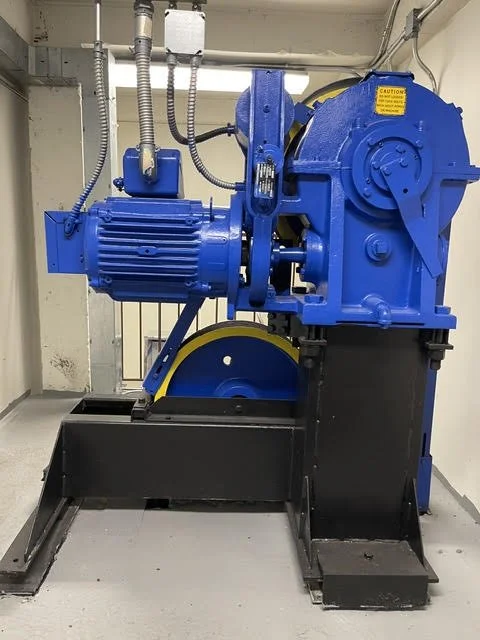
Elevators are long-term assets
An elevator is one of the few systems that affects every resident or employee in a building. When it is reliable, people hardly notice it. When performance declines, trust declines just as fast.
Under NYC Administrative Code Section 28-304.6.1, required elevator inspections and category tests must be performed by approved elevator agencies on a recurring schedule. This ensures basic safety and compliance. But true asset management requires more than meeting minimum requirements. Property managers who plan ahead gain visibility into future costs and avoid emergency spending.
The Richmond Elevator capital strategy
Richmond Elevator supports buildings across Staten Island and the five boroughs with planning that improves financial stability and long-term reliability.
Condition Assessment: A full review of mechanical, safety, and control components to determine performance, age, and current risk factors.
Lifecycle Forecasting: A timeline that identifies when specific parts will reach end-of-life, so replacements can be planned years in advance instead of handled as emergencies.
Budget Integration: Modernization and upgrade costs mapped into three to five year capital budgets or reserve schedules, reducing the impact of large, sudden expenses.
Compliance Alignment: Testing cycles, DOB deadlines, the 2022 code updates, and the January 2027 brake requirement are built into each plan.
Modernization Coordination: Upgrade timelines scheduled during lower-traffic periods to protect tenant experience in commercial and residential properties.
Not sure whether the 2027 requirement applies to your equipment? Call us at 718-720-3200 and we'll tell you.
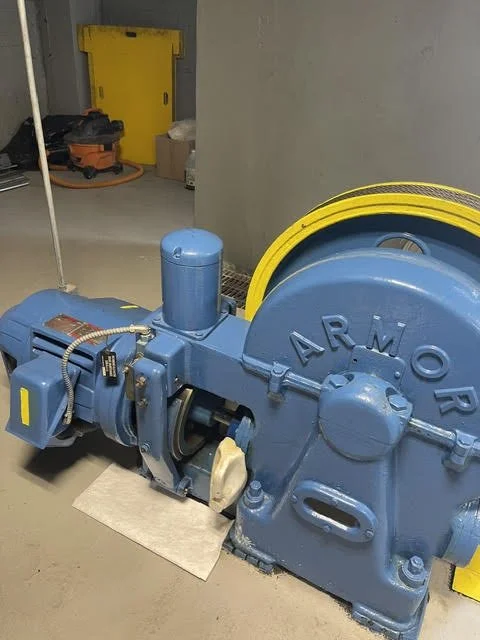
Why planning ahead matters
For commercial properties, elevator downtime affects operations, tenant satisfaction, and even leasing decisions. Accurate forecasting controls operating costs and minimizes unplanned repairs.
For residential buildings and boards, planning reduces special assessments, supports transparent communication with residents, and demonstrates responsible management. The 2027 requirement is exactly the kind of expense that turns into a special assessment when it isn't planned, and a routine budget line when it is.
A well-planned elevator strategy turns maintenance into a predictable investment instead of a reactive expense.
Staying compliant in a changing environment
The NYC Department of Buildings continues to update enforcement practices, documentation requirements, and inspection programs. These changes may affect filing timelines for some buildings.
Richmond Elevator monitors DOB rulemaking updates, Local Laws, and Administrative Code amendments to keep property managers informed and inspection ready.
Frequently asked questions
Does the 2027 brake requirement apply to my building?
It applies to elevators covered by Appendix K3 Rule 3.8.4.1 of the NYC Building Code. Hydraulic elevators are exempt. Whether your specific equipment already complies depends on its age and configuration, so the practical answer requires an assessment. Call us at 718-720-3200 and we'll confirm.
How far in advance should a co-op or condo board budget for elevator modernization?
Three to five years is the standard window. That is enough time to fold the cost into reserves or a capital plan and avoid a special assessment.
What happens if a building misses a DOB elevator deadline?
Consequences can include violations, fines, and in serious cases the elevator being taken out of service until the work is done.
Can the 2027 work be combined with other upgrades?
Often yes. If your equipment is approaching end-of-life anyway, combining the brake requirement with a planned modernization is usually more cost-effective than doing them separately.
Plan for 2027 and beyond
Whether you manage a commercial portfolio, a co-op, a condo, or a residential rental building, now is the time to evaluate your elevator systems.
Request a customized three year elevator capital strategy from Richmond Elevator and stay ahead of compliance, modernization, and maintenance needs.
Official DOB Resources for Property Managers
NYC DOB Elevator Compliance
NYC Admin Code 28 304
DOB NOW: Safety Portal
1 RCNY 103 02
Local Law 126 of 2021
For the most accurate and official information, visit:
NYC DOB Elevator Compliance |NYC Admin Code § 28-304| DOB NOW: Safety Portal
Staying informed
This information is current as of October 2025. Requirements may vary by building type, occupancy, and equipment classification. The NYC Department of Buildings continues to expand digital filings and inspection procedures, including the Third Party Inspection Pilot Program. Richmond Elevator monitors all upcoming changes to ensure our clients remain informed and prepared.
For ongoing updates and direct support, visit the Richmond Elevator Blog:
https://www.richmondelevator.com/blog
Serving Staten Island and the five boroughs for over 30 years.
Licensed under the New York City Department of Buildings