


Elevator Insights
Elevators are a critical infrastructure in New York buildings. On this page, we share practical insights from our work across the city, including maintenance considerations, modernization planning, and ways building owners can keep their elevators safe and reliable.
Latest Articles
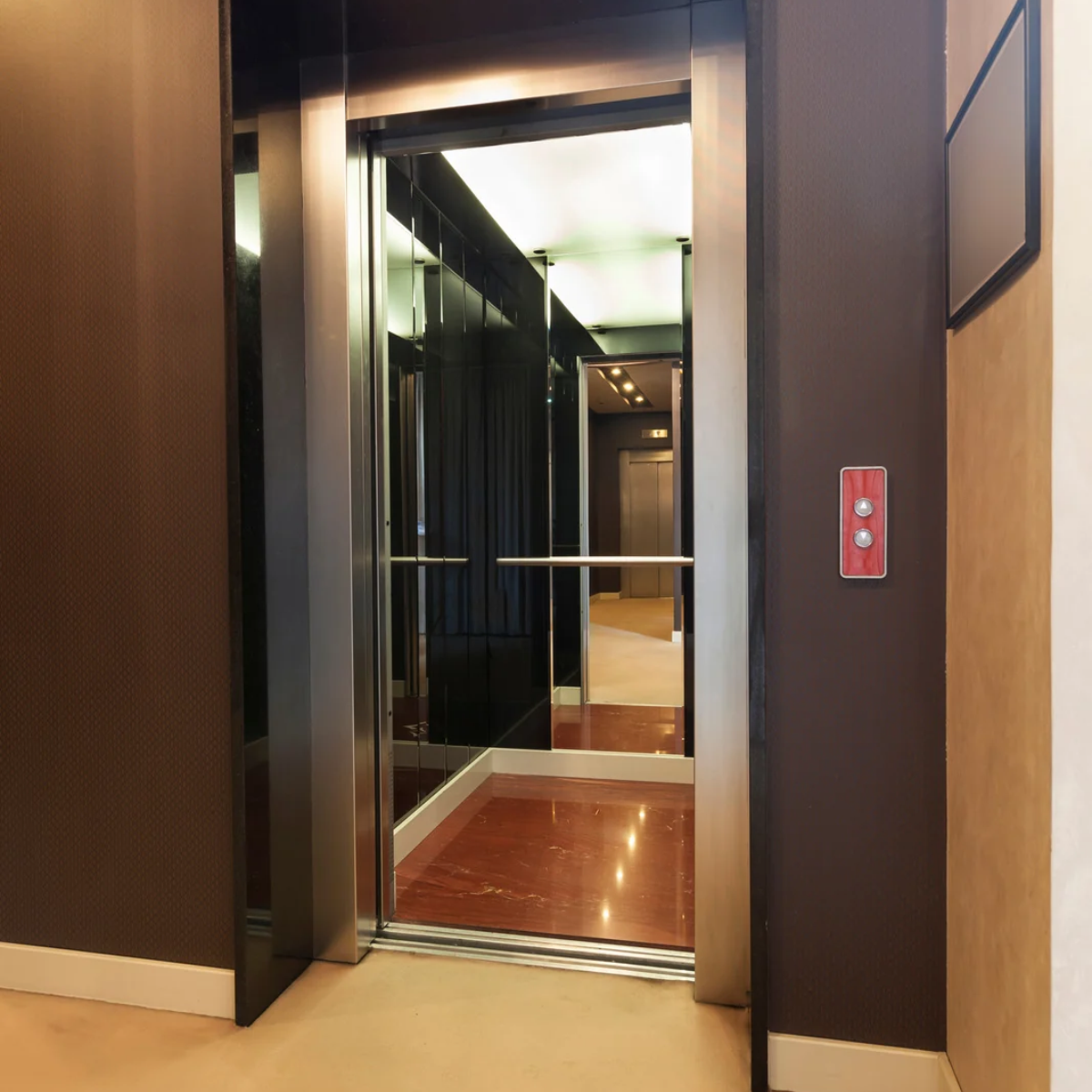
Why elevator doors cause so many service calls, and how to reduce them.
What causes elevator doors to hesitate, reopen, or strand a car, the warning signs property managers can spot, and what maintenance should cover.

Elevator emergency communication: what the code now expects
How elevator emergency communication requirements have moved from voice-only toward text, video, and power-resilient systems, and what determines whether they apply to your building.

What an overspeed valve does on a hydraulic elevator
How the overspeed valve, also called a pipe rupture valve, protects a hydraulic elevator, and the one failure it is not designed to catch.

Does your traction elevator have a January 1, 2027 compliance deadline?
Certain existing traction elevators with single-plunger brakes must comply by January 1, 2027 under ASME A17.3. Learn who this applies to, what the two compliance paths are, and why starting now matters more than the date itself.

The five-year test NYC buildings forget
The difference between the annual Category 1 test and the five-year Category 5 test, and what each one means for your compliance calendar.

Elevator violations in NYC: how they start, and why they linger
Most elevator violations start quietly in a database, not with an inspector in your lobby. How they get issued, why they compound across a bank of elevators, and what actually clears them.