

Ask any elevator mechanic where trouble calls come from and the door will be near the top of the list. Doors open and close at every stop, all day, in every kind of weather, and they are the part of the elevator that tenants touch, push, block, and roll carts across. They also sit inside a safety system that will not let the car move unless everything is exactly right.
That combination is why door problems are such a common source of service calls, tenant complaints, and entrapments. It is also why many of them can be prevented.
How the doors and the car work together.
An elevator has two sets of doors at each stop: the car door, which travels with the car, and the hoistway door at each floor. The door operator on top of the car opens and closes the car door, and the car door couples with the hoistway door to move it too.
Every hoistway door has an interlock, which mechanically locks the door and electrically confirms it is closed. The car door has its own contact. The controller will not let the car run unless every one of these circuits reports closed. When a car is "stuck," it is often because one of those circuits opened during a trip or never fully closed at the landing.
The doors also have a reopening device, usually a light curtain of infrared beams across the opening. If something breaks the beams, the doors reverse. That protects passengers, and it also means a dirty or misaligned detector can make the doors reopen over and over.
The most common causes:
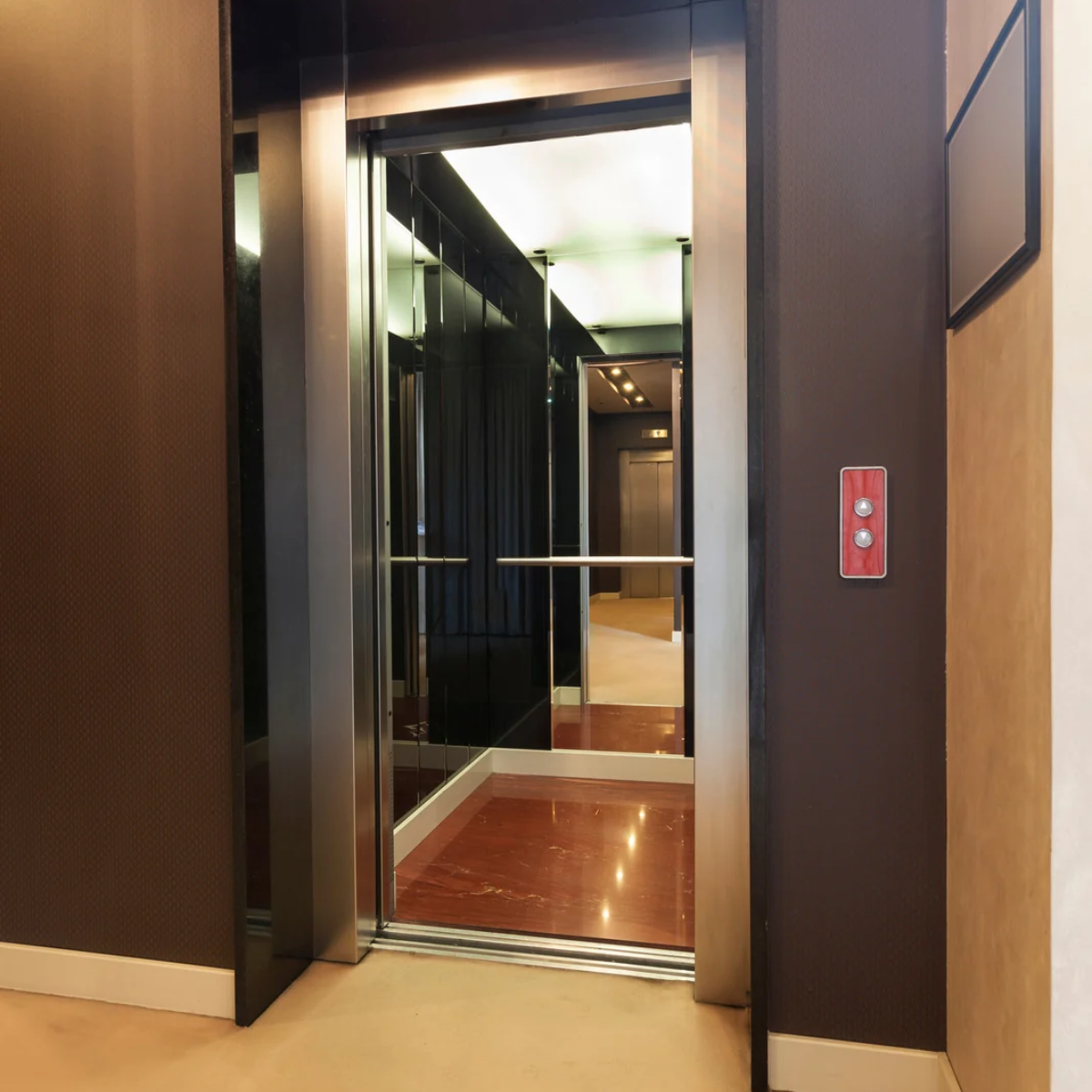
Debris in the sill. The doors ride in a groove in the sill. Grit, road salt in winter, coins, keys, and small hardware collect there. A door that cannot slide fully closed cannot lock, and the car will not leave.
Worn gibs and rollers. Gibs are the guides at the bottom of each door panel, and rollers carry the door along its track at the top. As they wear, doors drag, rattle, close unevenly, or stop short of the lock.
Detector problems. Light curtains can drift out of alignment, get dirty, or begin to fail. The result is doors that reopen when nothing is in the way, or a car that sits with its doors bouncing.
Abuse and forced doors. Holding doors with a hand cart, a foot, or a wedge during moves puts force on the door equipment it is not built for. Over time this bends hangers, loosens clutches, and knocks interlocks out of adjustment.
Contacts and interlocks out of adjustment. When a lock or contact does not close cleanly, the car may run fine for days and then stop between floors when the circuit opens briefly.
Warning signs property managers can spot:
You do not need to be a mechanic to notice the early signs. Report these to your maintenance provider:
Doors that reopen with nothing in the way.
Doors that close slowly, stall partway, or close with a bang.
Scraping, grinding, or rattling as the doors move.
An uneven gap between door panels when they are closed.
A car that arrives at a floor but hesitates before the doors open.
Tenants mentioning that the car "sometimes won't leave" a particular floor.
A pattern tied to one floor usually points to that floor's hoistway door. A pattern on every floor usually points to the car door, the operator, or the detector.
What building staff can do between visits:
Keep sills clean. A quick sweep or vacuum of the sill groove during routine lobby cleaning helps, especially in winter. Do not use water or liquid cleaners in the sill.
Use the right method for moves. Many cars have an independent service switch that lets a staff member hold the car for a move without propping the doors. Ask your provider whether your cars have one and who should have the key.
Report early. A door that has started hesitating is easier and cheaper to correct before it causes an entrapment.
Post simple signage near the cars asking passengers not to hold doors by hand.
What your maintenance provider should be checking:
On routine visits, door equipment should be part of the inspection every time: sill condition, gib and roller wear, door operator adjustment, detector function, closing speed and force, and the condition of each interlock and contact. Ask whether door findings are written down on each visit. A record of repeated door adjustments on the same floor is useful information, and it often points to a part that needs replacing rather than adjusting again.
If someone is trapped:
Entrapments are usually an inconvenience rather than a danger, because the car is designed to stay put safely. The right steps are simple:
Reassure the passenger and let them know help is on the way.
Call your elevator company.
Call 911 if anyone reports a medical issue or the situation changes.
Do not let building staff try to open the doors or move the car. Extraction should be left to elevator mechanics or emergency responders.
If your building has a car that keeps reopening, stalling at a floor, or trapping passengers, we can look at it. Call us at 718-720-3200.
Related reading: what happens when a small issue turns into a violation, at richmondelevator.com/blog/nyc-elevator-violations
Frequently asked questions
Why does my elevator door keep opening and closing?
Most often the reopening device is detecting something that is not there, because it is dirty, misaligned, or failing. Debris in the sill can also stop the doors from closing fully, which makes them reopen and try again.
Is a door problem a safety issue or just a nuisance?
Usually it starts as a nuisance, but door equipment is part of the safety system. Doors that do not close properly can strand the car, and worn equipment should be corrected rather than left to get worse.
How often should elevator doors be serviced?
Door equipment should be checked on every routine maintenance visit. How often those visits happen depends on your equipment and usage, so confirm the schedule with your provider.
Can tenants damage elevator doors?
Yes. Holding doors open with carts, feet, or objects during moves and deliveries is one of the most common causes of door wear and misadjustment.
Staying informed
For ongoing updates and direct support, visit the Richmond Elevator Blog:
https://www.richmondelevator.com/blog
For the most accurate and official information, visit:
Serving Staten Island and the five boroughs for over 30 years.
Licensed under the New York City Department of Buildings